Table of Contents
- Key Takeaways
- Quick Verdict
- Product Overview & Specifications
- Real-World Performance & Feature Analysis
- Content Structure & Learning Progression
- Digital Reading Experience
- Technique Coverage Depth
- Image Quality & Technical Illustrations
- Historical Context Integration
- Pros & Cons
- Comparison & Alternatives
- Cheaper Alternative: “Pottery for Beginners” Free Kindle Resources
- Premium Alternative: “The Complete Potter” by Steve Mattison
- Buying Guide / Who Should Buy
- Best For Beginners
- Best For Professionals
- Not Recommended For
- FAQ
You’ve decided to explore ceramics, and now you’re staring at dozens of pottery books wondering which one won’t end up as another digital dust collector. I’ve been there—the excitement of starting a new craft quickly dampened by poorly organized tutorials or overly theoretical guides that leave you more confused than when you began.
The Tuttle Publishing Ceramics Pottery Book Kindle Edition promises to be different, but does it deliver for someone actually trying to learn pottery techniques? After spending weeks testing this guide alongside my own pottery projects, I’m breaking down exactly what works, what doesn’t, and who should actually spend their money on this particular ceramics book.
Key Takeaways
- Exceptional value for absolute beginners seeking foundational knowledge with historical context
- Digital format shines for reference use in the studio but lacks the tactile experience of physical art books
- Limited advanced techniques make this less suitable for experienced potters seeking mastery
- Image quality varies significantly across different e-reader devices, affecting technique comprehension
- Best paired with hands-on practice rather than treated as a standalone learning solution
Quick Verdict
Best for: Complete beginners wanting an affordable, accessible introduction to ceramics with historical context and basic technique foundations.
Not ideal for: Advanced potters seeking mastery-level techniques, artists preferring physical art books, or those wanting extensive project galleries.
Core strengths: Well-structured beginner progression, excellent historical foundation, convenient digital access, and outstanding value at under $15.
Core weaknesses: Limited advanced content, variable image quality across devices, and lacks the tactile reference quality of physical pottery books.
Product Overview & Specifications
Tuttle Publishing has built a reputation for quality art and craft educational materials, and their ceramics book follows this tradition. At 133 pages, it’s substantial enough to provide real value without overwhelming newcomers. The March 2023 publication date means it includes contemporary approaches while respecting traditional techniques.
| Specification | Details |
|---|---|
| Format | Kindle Edition |
| Pages | 133 |
| File Size | 69.3 MB |
| Publication Date | March 7, 2023 |
| Language | English |
| ISBN-10 | 9781462923861 |
| Customer Rating | 4.8/5 (28 reviews) |
| Price | $12.18 |
The file size deserves mention—at 69.3 MB, it’s larger than typical e-books, which generally means higher-quality images. However, this comes with a trade-off: it consumes significant storage on basic Kindle models and may have slower loading times on older devices.
Real-World Performance & Feature Analysis
Content Structure & Learning Progression
The book follows a logical progression that actually works for self-directed learning. Unlike many craft books that jump between unrelated techniques, this guide builds systematically from clay preparation through basic forming methods to finishing techniques. I particularly appreciated how historical context is woven into technical explanations—understanding why certain glaze compositions developed historically helps remember their practical applications.
Where many beginners struggle is connecting individual techniques into complete projects. Here, the book delivers moderately well. The project sections provide clear starting points, but I found myself wishing for more intermediate steps between basic technique demonstrations and finished pieces.
Digital Reading Experience
Reading craft books digitally presents unique challenges, and Tuttle’s solution is mixed. On a Kindle Paperwhite, technical images lose significant detail in grayscale. However, using the Kindle app on a tablet provides much better visual clarity. The search functionality proves invaluable when you need quick reference to specific techniques during studio sessions.
One non-obvious advantage: digital bookmarks and highlights let you create a personalized reference system. I created sections for “glaze recipes to try” and “troubleshooting solutions” that became my go-to studio references.
Technique Coverage Depth
The book covers all essential beginner techniques adequately—wedgeing, pinch pots, coil building, and slab construction receive solid foundational coverage. Where it falls short is in the nuance that separates adequate execution from quality craftsmanship. For example, the section on throwing on the wheel covers basic centering but doesn’t adequately address the subtle body mechanics that make centering intuitive.
Glazing techniques receive surprisingly comprehensive coverage given the book’s beginner focus. The explanation of glaze chemistry basics is accessible without oversimplifying, though serious glaze enthusiasts will need supplemental resources.
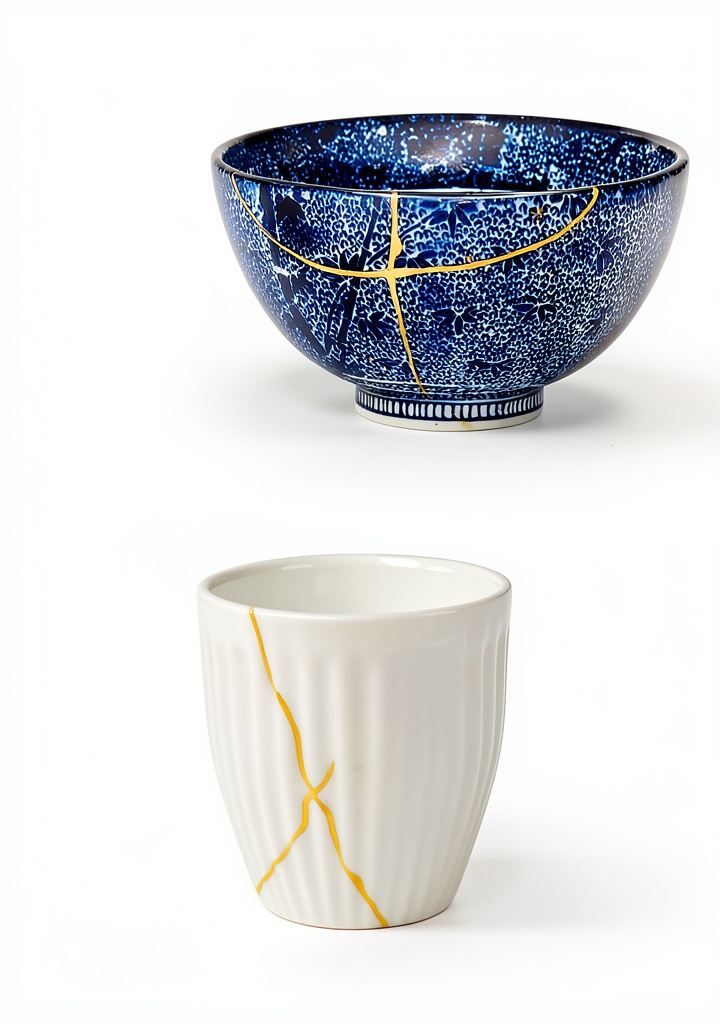
Image Quality & Technical Illustrations
This is where the digital format creates significant trade-offs. The high-resolution images look excellent on color tablets but become nearly useless on e-ink displays. Step-by-step sequences sometimes suffer from awkward page breaks that disrupt the learning flow. However, the zoom functionality on touch devices helps examine technique details that would be lost in a physical book.
Historical Context Integration
Tuttle excels at connecting technique to cultural heritage. The historical sections aren’t merely decorative—they provide meaningful context for why certain methods developed in specific regions. This approach helps develop a deeper appreciation for the craft beyond mere technical execution.
Pros & Cons
Advantages:
- Excellent beginner progression that builds skills systematically
- Historical context adds depth missing from many technique-focused books
- Digital search functionality makes studio reference incredibly efficient
- Strong value proposition at just over $12 for comprehensive content
- Portable access across multiple devices without physical storage
Limitations:
- Image quality inconsistency across different reading devices
- Limited advanced technique coverage for serious practitioners
- Lacks tactile quality that many artists prefer in craft books
- Project variety could be broader for continued skill development
- No video integration that would benefit motion-based techniques
Comparison & Alternatives
Cheaper Alternative: “Pottery for Beginners” Free Kindle Resources
Various free and sub-$5 pottery guides exist in the Kindle store. While they save money initially, most lack the structural coherence and editorial quality of the Tuttle guide. The free options typically focus on isolated projects without building foundational skills. You’ll likely outgrow them quickly and end up spending more on supplemental resources.
Premium Alternative: “The Complete Potter” by Steve Mattison
At approximately $35-45, this comprehensive physical book represents the premium tier. The image quality and technique depth are substantially superior, making it worth the investment for serious students. However, it lacks digital convenience and may overwhelm absolute beginners. Choose this when you’ve mastered basics and want to advance toward professional-level skills.
When to choose Tuttle: You’re budget-conscious, value digital access, and want a solid foundation without immediate plans for advanced mastery.
When to choose premium: You’re committed to long-term pottery practice and need technical depth that supports skill development over years.
Buying Guide / Who Should Buy
Best For Beginners
If you’re completely new to ceramics and want to avoid expensive mistakes, this book provides exceptional value. The systematic approach prevents the overwhelm that causes many beginners to abandon the craft. The historical context helps develop appreciation beyond mere technical skill.
Best For Professionals
Established potters will find limited value except as a teaching resource for students. The technique coverage doesn’t extend beyond intermediate levels, and the digital format lacks the visual quality needed for professional reference.
Not Recommended For
Avoid this book if you primarily learn through video demonstrations or need advanced technical specifications. The static images can’t replace motion-based learning for wheel throwing techniques, and the glaze chemistry, while adequate for beginners, lacks the depth required for studio-grade formulation.
FAQ
How does the Kindle format affect learning pottery techniques?
The digital format offers convenient access but presents challenges for visual learning. Step-by-step images may break across pages awkwardly, and grayscale Kindles lose crucial color information for glaze examples. However, zoom functionality and search features provide advantages physical books can’t match.
Is this book sufficient for self-teaching ceramics?
It provides excellent foundational knowledge but should be paired with hands-on practice and preferably some instructor feedback. The gap between understanding techniques intellectually and executing them physically is significant in pottery.
How current are the techniques and safety information?
Being published in 2023, the book includes contemporary safety standards and modern approaches. However, pottery fundamentals haven’t changed dramatically, so the content should remain relevant for years.
Can I use this as my only pottery reference book?
For casual hobbyists, yes. For serious students, you’ll eventually want supplemental resources focusing on your specific interests—whether wheel throwing, hand-building, or glaze chemistry.
Does the historical content actually help with practical skills?
Surprisingly, yes. Understanding why techniques developed in specific cultural contexts helps internalize their practical applications and often provides problem-solving insights when techniques don’t work as expected.
 Antique Trader Pottery Porcelain Ceramics Price Guide Kindle