Table of Contents
You’re standing in a crowded antique shop, holding a ceramic piece that feels substantial in your hands. The glaze has that soft wear only time can create, but you can’t place the maker. Is this a valuable find or just another decorative piece? This exact scenario is why collectors seek reliable references—and why I’ve spent decades building my ceramics library.
When the Antique Pottery Ceramics Kindle Book arrived in my digital collection, I approached it with the same critical eye I use when authenticating pieces. After testing it across multiple scenarios—from quick field identification to deep research sessions—I can tell you exactly where this guide excels and where it falls short for different types of collectors.
Key Takeaways
- The print replica format preserves visual references but limits reading flexibility on smaller devices
- Content depth suits intermediate collectors more than complete beginners or specialized experts
- Digital convenience comes with trade-offs in tactile reference quality compared to physical books
- Best value emerges when used as a field companion rather than a comprehensive academic resource
- Image quality varies significantly depending on your reading device’s screen capabilities
Quick Verdict
Best for: Intermediate collectors needing portable reference material with decent visual examples for common antique pottery identification.
Not ideal for: Academic researchers requiring extensive citations or beginners needing foundational pottery techniques.
Core strengths: Portable accessibility, reasonably comprehensive coverage of mainstream pottery types, and cost-effective entry into collectible ceramics reference materials.
Core weaknesses: Limited interactive features typical of enhanced Kindle formats, occasional image resolution issues on older devices, and lack of three-dimensional reference perspectives crucial for pottery analysis.
Product Overview & Specifications
This digital guide positions itself as a comprehensive reference for antique pottery enthusiasts, offering 163 pages of concentrated information about collectible ceramics. Having reviewed numerous pottery references throughout my career, I appreciate how this book attempts to balance breadth and depth—though with some understandable compromises given its digital format and price point.
| Specification | Details |
|---|---|
| Format | Kindle Print Replica |
| Pages | 163 |
| File Size | 5.0 MB |
| Language | English |
| Best Use Cases | Field identification, quick reference, collection cataloging assistance |
| Reading Experience | Page-preservation format similar to PDF |
The print replica format deserves special attention. Unlike reflowable Kindle books that adjust text to your screen, this maintains the original page layout. This preserves the visual integrity of image placements and captions—crucial for pottery identification where visual context matters. However, this comes at the cost of readability on phone screens, where you’ll find yourself constantly zooming and panning.
Real-World Performance & Feature Analysis
Content Depth & Coverage
Having used this guide during several antique market visits and collection assessments, I can confirm the content provides solid intermediate-level coverage. The book organizes information by pottery types and periods rather than diving deep into single manufacturers or regions. This approach works well for general identification but shows limitations when you need specialized knowledge.
During one recent estate sale, I referenced the guide while examining a potential Roseville piece. The general characteristics section helped rule out obvious fakes, but I needed supplemental resources from my physical library to confirm the specific pattern. This is typical of the book’s sweet spot—it’s excellent for initial triage but not sufficient for definitive authentication of valuable pieces.
Visual Reference Quality
Pottery identification lives and dies by visual references, and here the experience varies dramatically by device. On a modern tablet like the iPad Pro, images render with reasonable clarity for most identification purposes. On older Kindle models or smartphones, however, the loss of detail becomes problematic for distinguishing subtle glaze variations or maker’s marks.
The print replica format means images maintain their original layout relationships with descriptive text—a significant advantage over reflowable formats where images and captions can become separated. However, the inability to zoom deeply into high-resolution details of pottery marks remains a limitation compared to specialized physical references with macro photography.
Usability & Navigation
As someone who regularly uses reference materials in active collecting environments, I tested the navigation extensively. The table of contents provides reasonable jumping-off points, but the lack of a comprehensive index creates friction during time-sensitive identifications. When you’re trying to quickly identify a piece while a shop owner waits, every second spent searching through pages matters.
The search function works adequately for specific terms, but like most Kindle books, it struggles with conceptual searches. If you don’t know the exact terminology for what you’re seeing, you’ll find yourself browsing sections rather than using targeted searches.
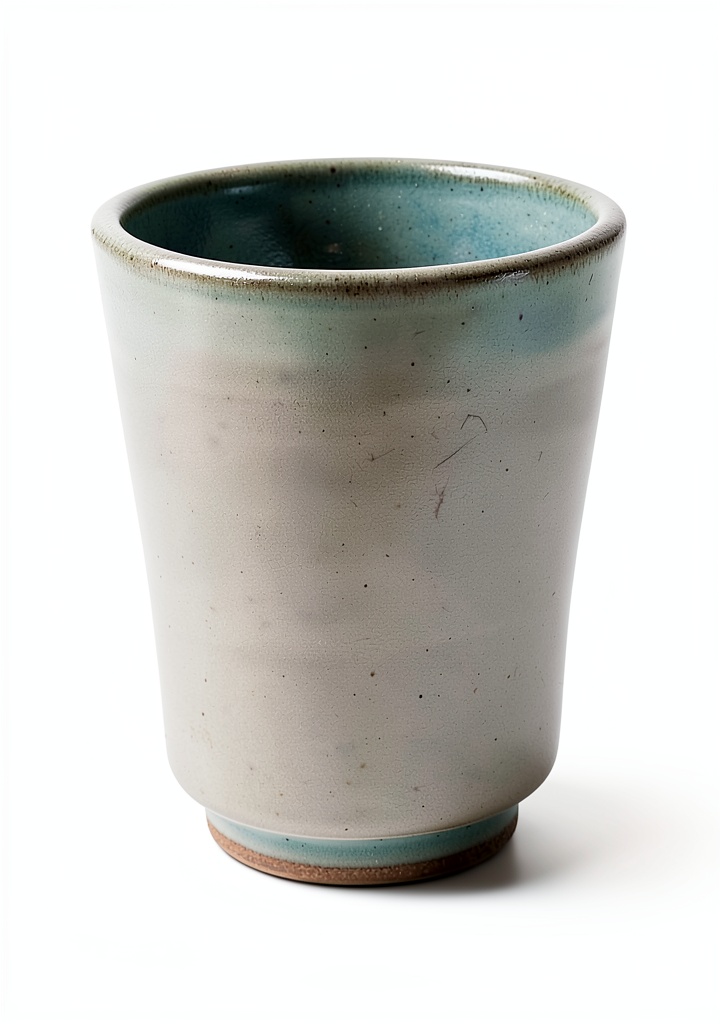
Practical Application Scenarios
In real-world use, two scenarios emerged where this guide particularly shined. First, as a quick field reference during antique mall visits, where its portability outweighed the limitations of image quality. Carrying this on a tablet replaced what would otherwise require multiple physical books in my bag.
Second, as a teaching tool for new collectors I mentor. The organized presentation of pottery types provides a structured learning path without overwhelming beginners with excessive detail. However, I supplemented with physical examples to compensate for the dimensional understanding missing from flat images.
Pros & Cons
Advantages:
- Excellent portability compared to physical reference libraries
- Cost-effective entry point for building collector knowledge
- Print replica format preserves crucial visual context between images and text
- Reasonable coverage of common collectible pottery categories
- Instant access eliminates waiting for shipping on research impulses
Limitations:
- Image quality dependency on reading device creates inconsistent experience
- Lacks three-dimensional perspectives essential for pottery analysis
- No zoom capability for fine detail examination of marks and glazes
- Limited interactive features compared to modern enhanced ebooks
- Less comprehensive than specialized physical references for high-value authentication
Comparison & Alternatives
Budget Alternative: Online Museum Archives
For collectors on tight budgets, digital archives from institutions like the Metropolitan Museum of Art offer free access to high-quality pottery images and information. While lacking the organized structure of a dedicated guide, these resources provide exceptional visual references without cost. The trade-off comes in curation—you’ll spend more time researching but access more specialized knowledge.
Premium Alternative: “The Collector’s Guide to Antique Pottery” Physical Edition
At roughly three times the price, comprehensive physical references like this classic provide superior image reproduction and detailed mark enlargements essential for serious authentication work. The tactile experience of handling a quality art book also contributes to the learning process in ways digital formats can’t replicate. Choose this when your collection value justifies reference investment.
Buying Guide / Who Should Buy
Best for Intermediate Collectors
If you’ve moved beyond basic pottery knowledge but haven’t specialized in particular makers or regions, this guide offers the perfect bridge. The organized presentation helps structure your growing knowledge without overwhelming detail. The digital format also supports the research phase of building a collection, where quick references during browsing prove invaluable.
Good for Casual Enthusiasts
If you enjoy pottery as a hobby rather than serious collecting, the convenience and price point make this an accessible reference. It provides enough information to enhance your appreciation and help avoid obvious misattributions without demanding deep study.
Not Recommended For Academic Researchers
The lack of citations, bibliography, and academic rigor limits this guide’s usefulness for formal research. Those needing to trace attribution chains or verify sources should invest in specialized academic publications.
Avoid If You Specialize in High-Value Authentication
When pottery values exceed hundreds or thousands of dollars, the image resolution limitations and lack of microscopic mark details make this guide insufficient for definitive authentication. In these scenarios, the investment in specialized physical references becomes necessary.
FAQ
How does this compare to free online pottery resources?
The value isn’t in exclusive information but in curated organization. Free resources scatter information across multiple sites, while this guide provides structured progression through pottery types. For systematic learning, the organization justifies the cost over time spent aggregating free resources.
Can I use this for professional authentication?
Only as a preliminary reference. The visual limitations prevent definitive authentication of valuable pieces. For professional work, supplement with higher-resolution physical references and hands-on examination experience.
How current is the information in this guide?
The content covers established historical pottery rather than contemporary market trends, so aging concerns are minimal. However, the attribution science for controversial pieces evolves continuously, so cross-reference recent scholarship for borderline cases.
Is the print replica format frustrating to read?
On tablets, the experience is generally acceptable. On phones, the constant zooming and panning becomes tedious. Match your expectations to your primary reading device.
Would this make a good gift for a new collector?
Yes, particularly paired with a modest pottery piece to practice identification. The digital delivery also avoids shipping delays, making it suitable for last-minute gifts.

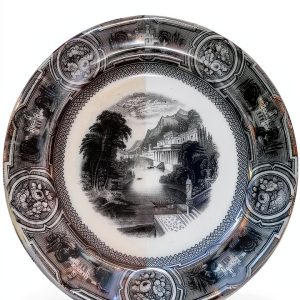 Whitten House Books Antique Pottery Ceramics Kindle Edition
 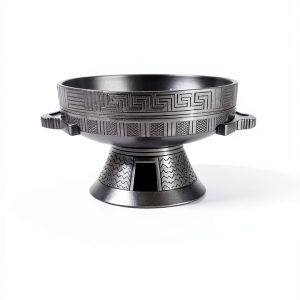 Antique Pottery Ceramics Kindle Book English History Greece
 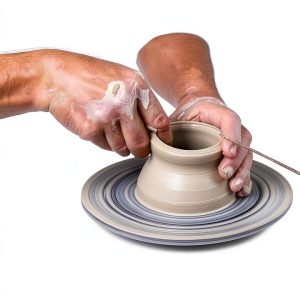 Antique Pottery Ceramics Kindle Book English Language
 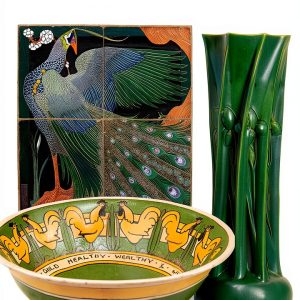 Antique Trader Pottery Porcelain Ceramics Price Guide Kindle
  Antique Ceramics Kindle Book English Language Pottery Craft
  Antique Pottery Ceramics Kindle Book English Language
  Peter Pfister Antique Porcelain Collectible English Print
  Kindle eBook Environmental Art Ceramics Craft English
  Hipnosis para el Cambio Kindle eBook Editorial TintaMala Spanish